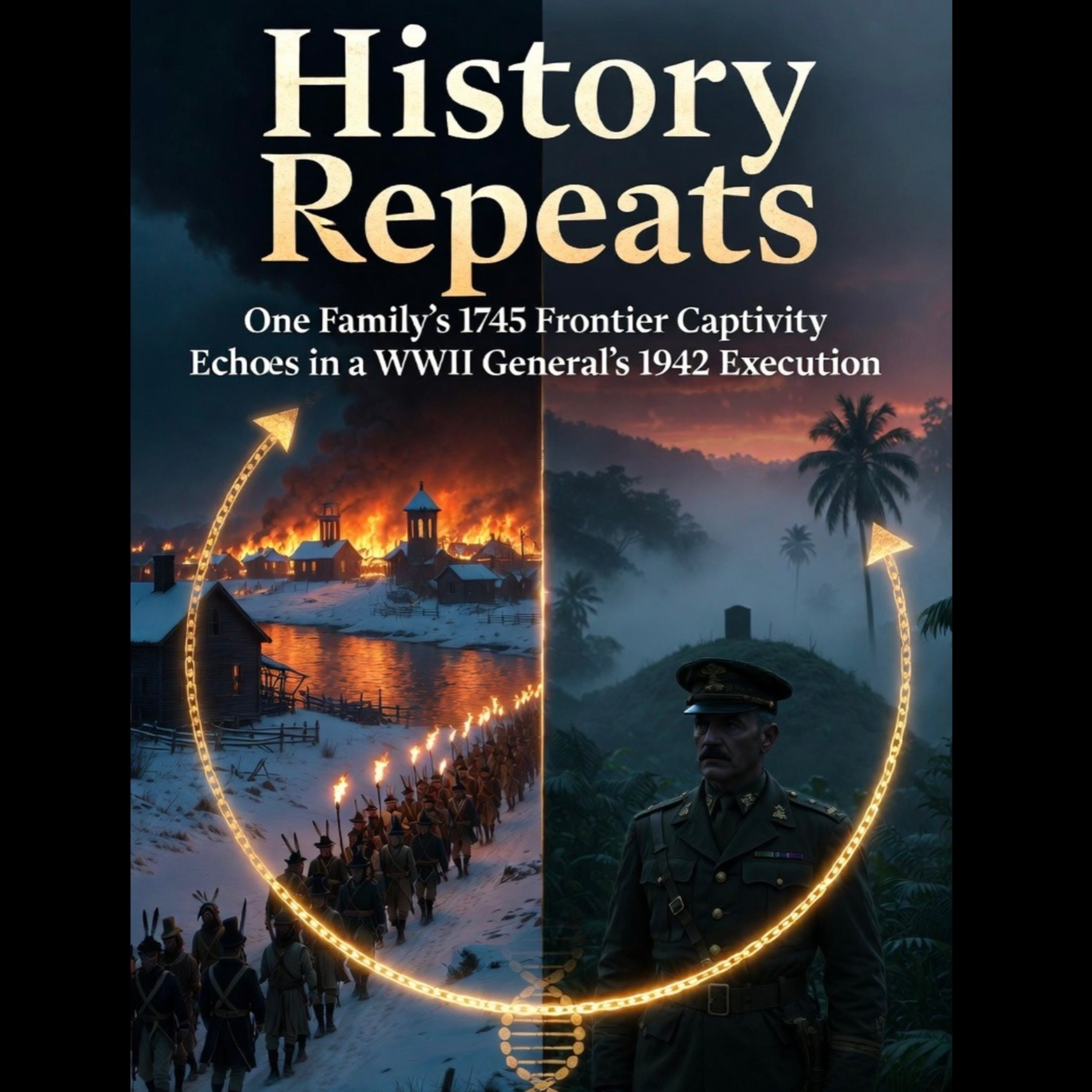
From Saratoga Frontier to Mindanao Jungle: History Repeating Itself in the Fort Family — The Story of Brigadier General Guy O. Fort
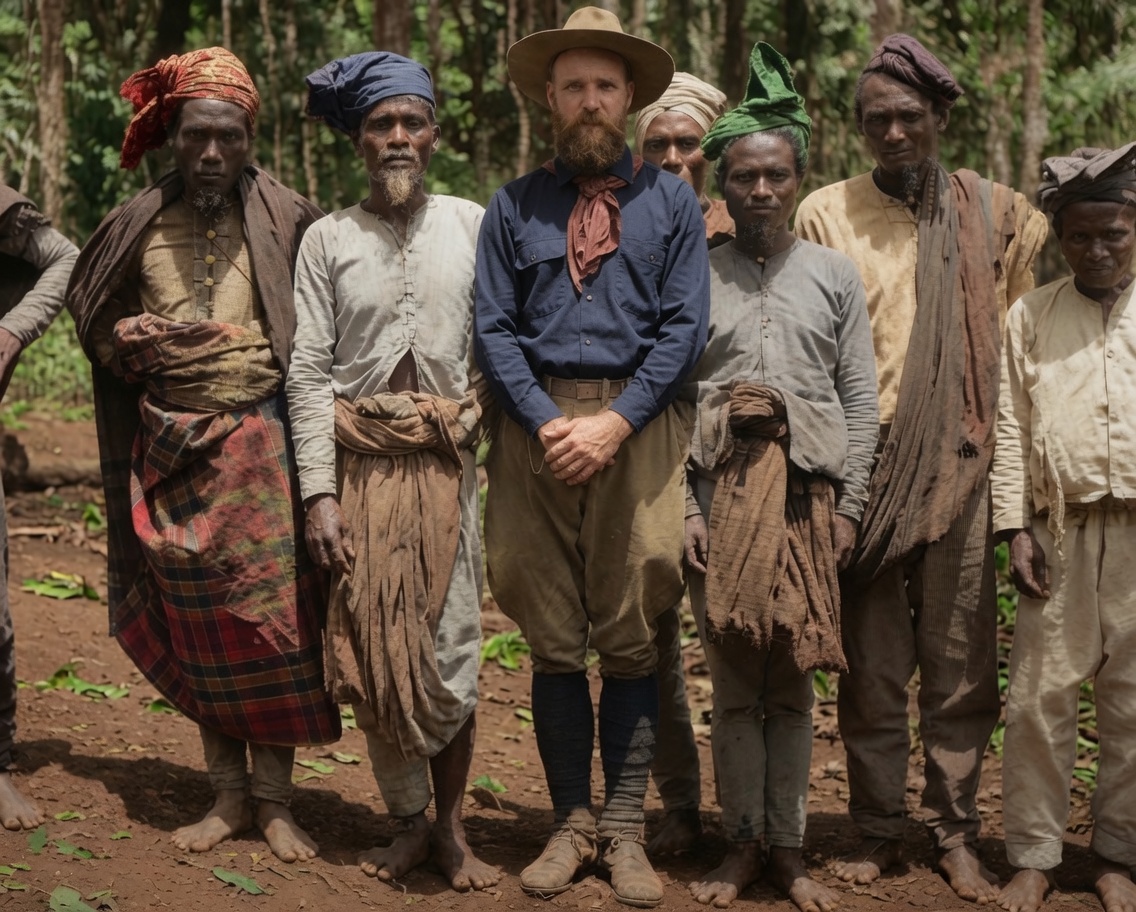
By John Bear
Chief of Investigative Research, Asymmetric MIA Accounting Group (AMAG)
June 6, 2026
In the winter of 1747, a young man named Jacob Fort returned to the British colonies from a Quebec prison, carrying the weight of his father’s and uncle’s deaths in unmarked graves far from home. Abraham “Abram” Janse Fort and Capt. Johannes Fort had been captured during the Saratoga raid of November 1745, marched north through brutal winter conditions, and perished in enemy custody. Their bodies remained behind in foreign soil.
More than two centuries later, the Asymmetric MIA Accounting Group (AMAG) is now on the ground in Marawi, Philippines, conducting archaeological excavations at the historic Camp Keithley site in Lanao del Sur, Mindanao. The objective is to locate and recover the remains of Brigadier General Guy O. Fort (1879–1942), the only American-born general officer executed by enemy forces during World War II.
At the request of General Fort’s family, I have been leading the investigative research into his case. Forensic genetic genealogy, exhaustive paper trails, and General Fort’s own personal diaries have now confirmed the direct paternal connection between the man who survived Quebec captivity and the general who faced his own execution nearly two centuries later.
As the United States prepares to celebrate its 250th anniversary in 2026, the Fort family’s story stands as a powerful reminder of the generations who paid the ultimate price for American freedom — and of our continuing responsibility to bring them home.
The Saratoga Raid of November 27, 1745
The Fort family’s ordeal began on the vulnerable edge of British colonial America. The patriarch, Capt. Jean/John Fort (alias Liberté), was a French Huguenot who fled religious persecution in France in the late 17th century. He settled in the Niskayuna/Albany area of New York.
By the 1740s, Abraham “Abram” Janse Fort (born circa 1695) had established himself near Old Saratoga (present-day Schuylerville). His son Jacob Fort was born in 1727. On November 27, 1745, a French-led force under Captain Paul-Joseph Marin de la Malgue struck Old Saratoga. The raiders burned roughly 30 homes and mills and took more than 100 prisoners, including Abraham Fort, his brother Capt. Johannes Fort, and young Jacob Fort.
The captives were force-marched north through winter conditions to Quebec. Abraham Fort died in prison on May 19, 1747. His brother Capt. Johannes Fort had perished earlier that winter. No repatriation occurred. Their remains were buried in unmarked graves near the Hôpital-Général cemetery in Quebec City.
Jacob Fort survived. Repatriated in August 1747, he returned to the Hudson Valley, married, and rebuilt his life. The paternal line continued unbroken through generations in Saratoga County, New York.
Guy Osborne Fort: A Life of Service
Guy Osborne Fort was born on January 27, 1879, in Michigan to Jacob Marvin Fort and Lena Fulkerson. The family later relocated to Gloversville, New York, placing young Guy in the heart of the old Fort family lands near Saratoga. He enlisted in the U.S. Army in 1899 and served in the Philippines. After his discharge in 1902, he chose to stay and joined the Philippine Constabulary in 1904.
Fort spent more than four decades in the Philippines, rising to the rank of Brigadier General. He became deeply respected among the Moro people of Mindanao for his cultural understanding and preference for negotiation over force. His personal diaries reveal a man deeply invested in his adopted homeland.
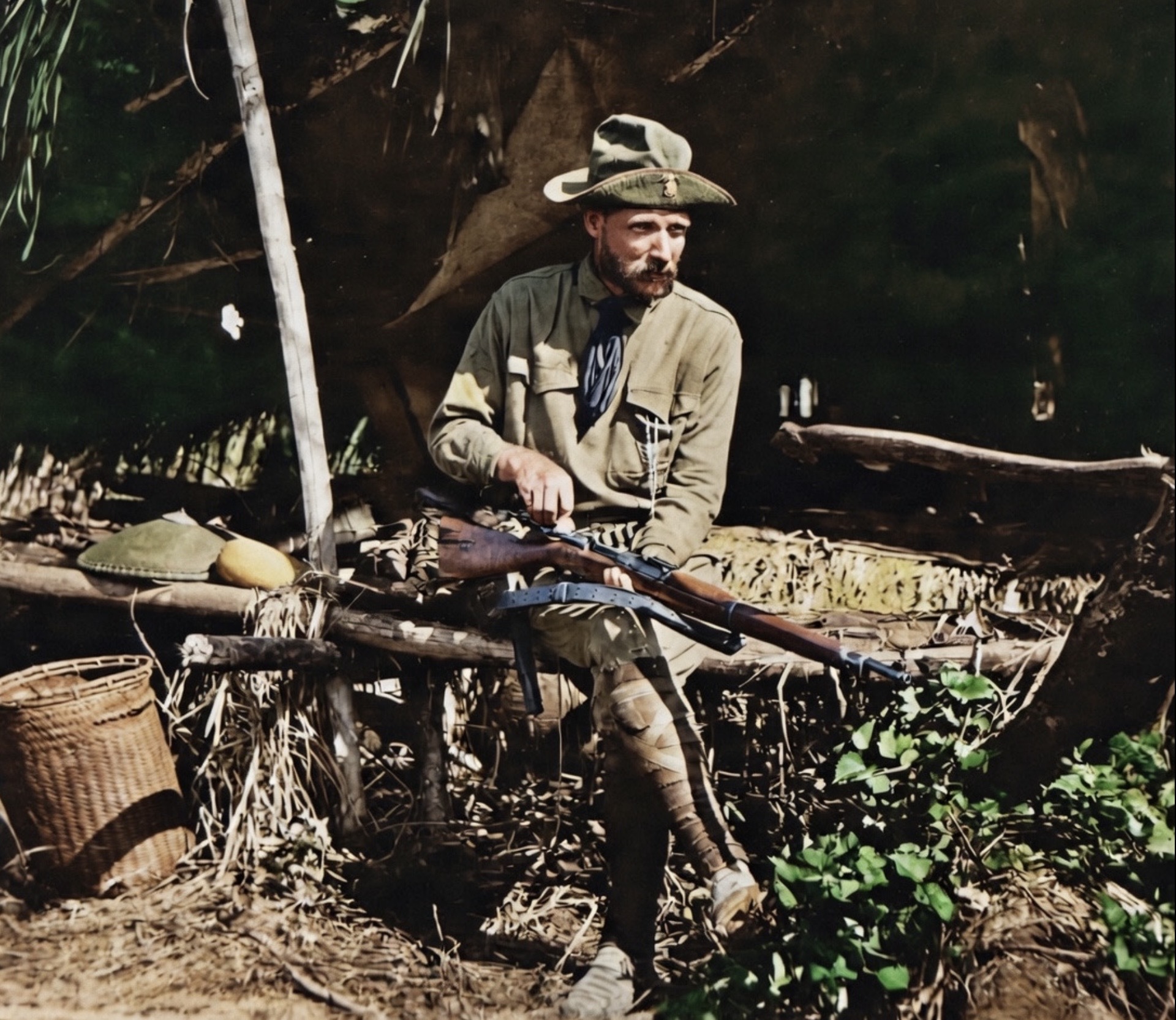
When World War II reached Mindanao, Fort commanded the 81st Philippine Infantry Division. Ordered to surrender on May 27, 1942, he paroled his men with their weapons so they could continue resisting. He was interned at Camp Keithley in Dansalan (now Marawi).
On July 3, 1942, after several prisoners escaped, the Japanese selected officers for retaliatory execution. Lt. Col. Robert H. Vesey volunteered to take Fort’s place. Vesey, Capt. Albert Price, and 1st Sgt. John Chandler were bayoneted to death. Fort was spared that day but forced onto the brutal Mindanao Death March the following day.
Later returned to Mindanao, Fort was executed by firing squad on or about November 11–13, 1942, after refusing Japanese demands to help persuade Moro guerrillas to surrender. His reported last words were: “You may get me, but you will never get the United States of America.” He was buried in an unknown grave near the camp. His remains have never been recovered.
History Repeating Itself — And the Path to Resolution
In 1745–1747, Abraham and Johannes Fort were captured in a frontier raid, imprisoned in Quebec, and died without repatriation. In 1942, their direct descendant, Brigadier General Guy O. Fort, faced surrender, internment, and execution for refusing to betray the people he had served for four decades.
In 1935, while serving as a senior officer in the Philippine Constabulary, Fort delivered a Memorial Day address in which he spoke movingly of the men whose names had been lost to time. Standing before rows of graves, many of them unmarked, he acknowledged the painful reality of incomplete records and soldiers whose stories had faded into obscurity. “Some records are lost,” he told the gathering, “Their stories almost forgotten.” Decades later, Fort himself would become one of those forgotten men. Just as his ancestors Abraham and Johannes Fort had died in a Quebec prison in 1747 and been buried in unmarked graves with no hope of repatriation, General Fort was executed in 1942 and laid to rest in an unknown grave near Camp Keithley. The man who once honored the unknown dead ultimately joined their ranks.
As America approaches its 250th anniversary, the Fort family’s story reminds us that the cost of freedom has been borne across generations. Right now, AMAG’s team is conducting excavations at Camp Keithley in Marawi. With forensic tools, international partnerships, and the support of Fort family descendants, the circle is finally closing. Abraham Fort never came home from Quebec. Brigadier General Guy O. Fort never came home from Mindanao — until now.
From the burning mills of Old Saratoga to the jungle hills of Mindanao, the Fort family’s legacy of sacrifice and resilience endures.
POW/MIA — We Will Never Forget
AMAG’s self-funded mission at historic Camp Keithley relies on public support. Follow updates and learn more at amagonline.org and please consider supporting our mission to bring him home: https://www.zeffy.com/en-US/donation-form/support-amags-mission-mindanao-forgotten-graves-false-closures-and-new-hope
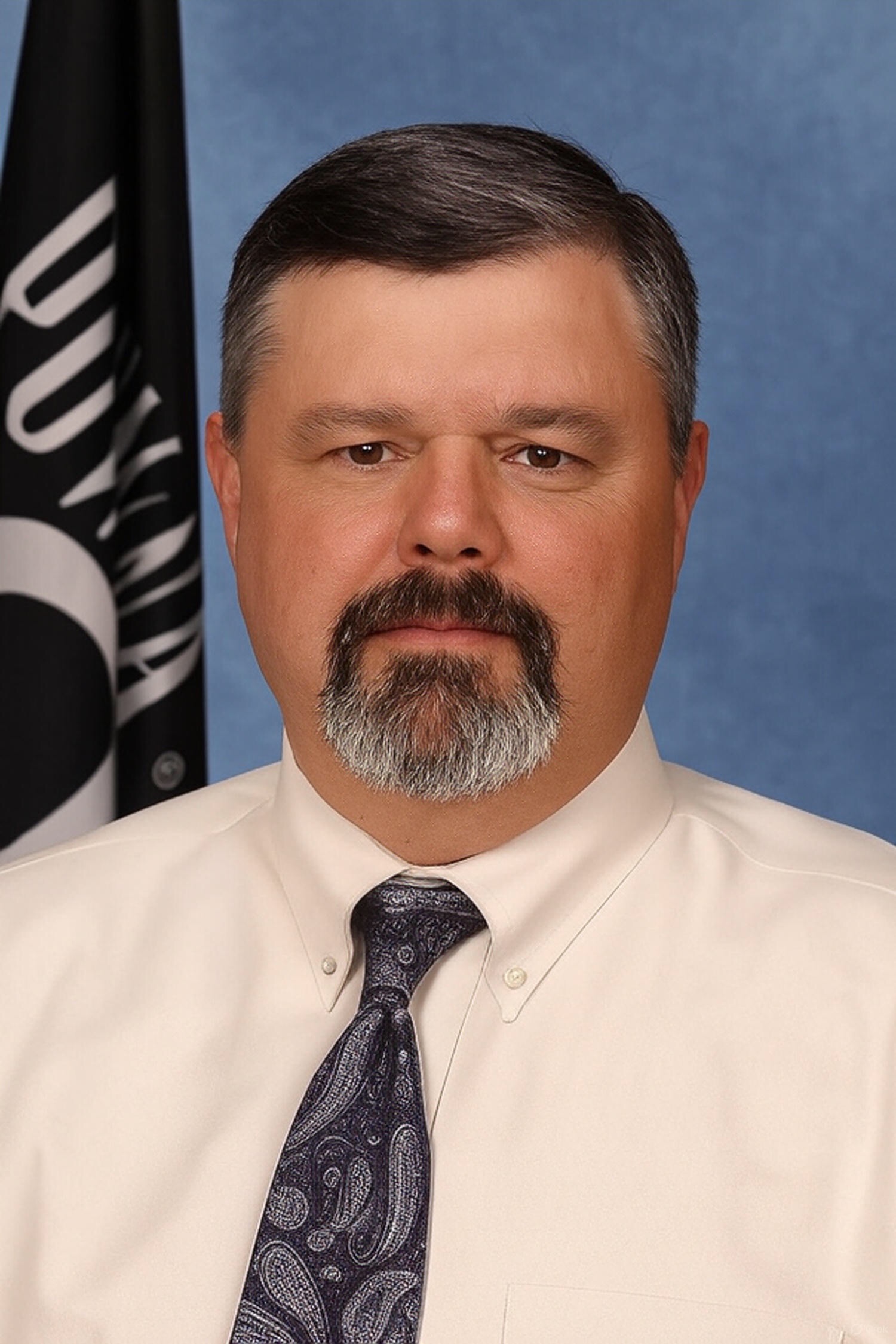
Investigative Researcher & Host of Stories of Sacrifice Podcast
John Bear is an accomplished investigator and forensic genealogist with over 20 years of experience specializing in World War II, Korea, and Vietnam War POW/MIA cases. He has honed forensic-level skills in open-source intelligence (OSINT) and archival research, bolstered by coursework in Advanced Research Methods and Databases for Historians. Inspired by the loss of his uncle, a WWII POW/MIA identified posthumously in the Philippines, John volunteers directly with families of the missing to provide answers and closure. As a key member of the Asymmetric MIA Accounting Group (AMAG), he works directly with MIA families to support projects alongside Military Service Casualty Officers, DPAA Historians, and military intelligence experts. Through his contributions to the Cabanatuan POW Camp, Philippine Hellship Project, and Bataan Death March, John’s efforts have led to over 350 potential WWII identifications through Family Reference Sample (FRS) DNA collection. His investigation into the Vietnam War’s Baron 52 incident uncovered compelling OSINT-based evidence suggesting crew survival, and his work on WWII unrecovered MIAs on Mindanao has generated critical leads. Through his podcast, Stories of Sacrifice: American POW/MIAs, John amplifies families’ stories, ensuring the legacies of the missing are honored.
Baron 52 Docu series Podcast Link: https://www.storiesofsacrifice.org/category/baron-52/
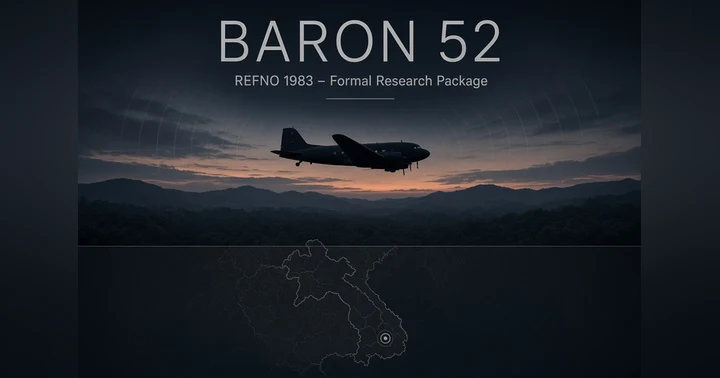
Baron 52: New Vietnamese Sources and the Case for Technical Review