About Our Mission

Stories of Sacrifice presents stories and interviews with the families of U.S. personnel who remain missing in action or are buried as Unknowns. The podcast is produced by US POW/MIA Family Locating in collaboration with the Asymmetric MIA Accounting Group (AMAG) and is hosted by John Bear, Chief of Investigative Research.

The accompanying research addresses unresolved Philippine losses, including the 1942 Camp Keithley executions and the case of Brigadier General Guy O. Fort, as well as the Vietnam War’s Baron 52 incident. It integrates archival records, signals intelligence, witness interviews, and collaboration with historians, intelligence experts, and institutional partners. Associated work has contributed to the first DPAA Bataan Death March disinterments and has supported Family Reference Sample DNA collection for more than 450 potential World War II identifications.

Through the podcast and research blog, Stories of Sacrifice documents evidentiary findings and the historical and familial dimensions of unresolved cases.
About the Host

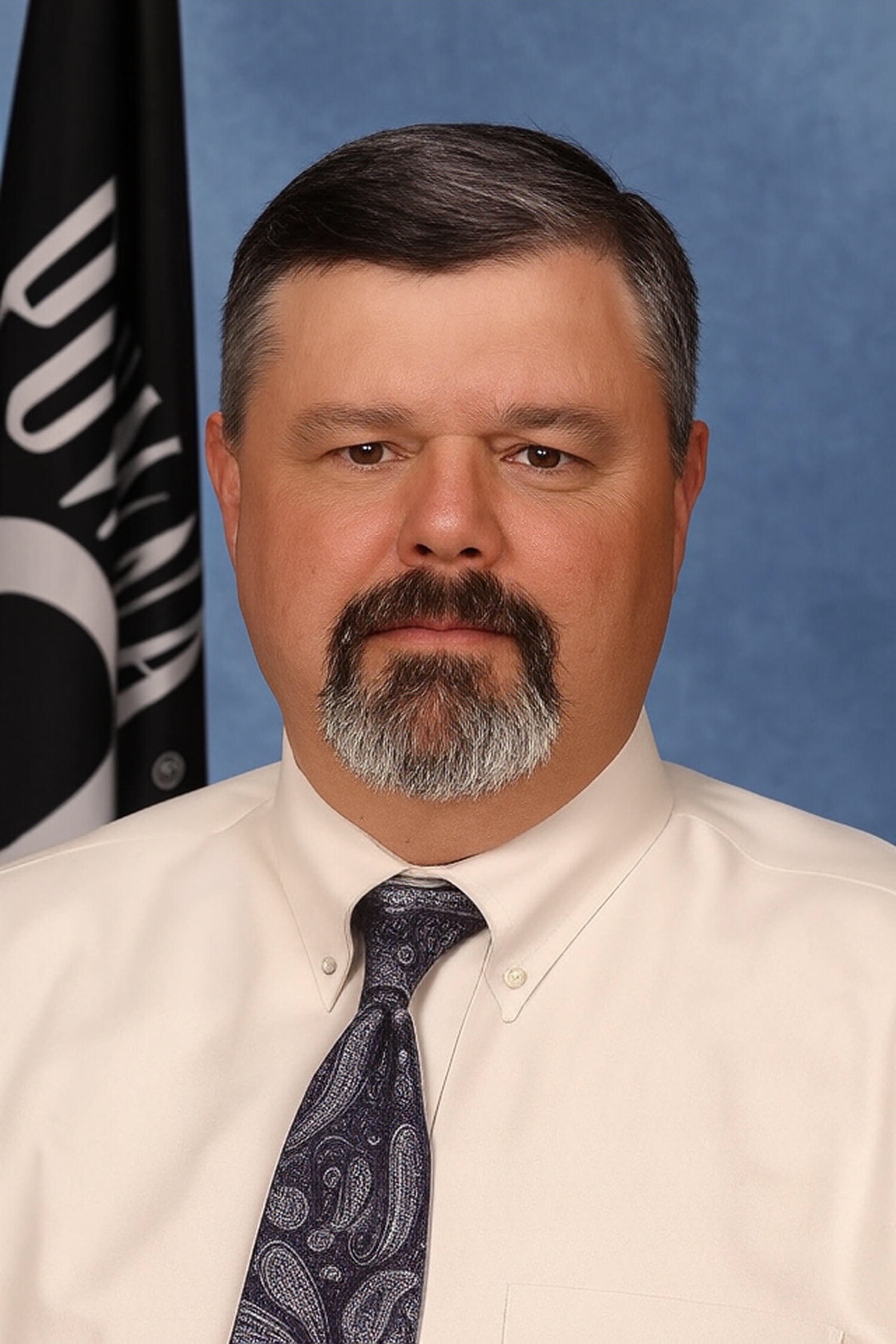
John Bear Profile Photo
John Bear

Investigative Researcher & Host of Stories of Sacrifice Podcast

John Bear serves as Chief of Investigative Research for the Asymmetric MIA Accounting Group (AMAG) and as Founder of US POW/MIA Family Locating. He is also host of the Stories of Sacrifice: American POW/MIAs podcast and author of its accompanying research blog. A forensic genealogist and investigative researcher with more than twenty years of experience, he specializes in open-source intelligence, archival research, and DNA-based identification methods applied to POW/MIA cases from World War II, the Korean War, and the Vietnam War.
His current research focuses on primary-source case development for unresolved Philippine losses, with particular attention to the 1942 Camp Keithley executions and the case of Brigadier General Guy O. Fort, as well as the Vietnam War’s Baron 52 incident. This work integrates archival records, signals intelligence intercepts, extensive witness interviews, and collaboration with local historians, intelligence experts, and institutional partners. A substantial portion of the resulting case files has advanced matters currently under review by Department of War agencies.
Research on the Bataan Death March has contributed to the first DPAA Bataan Death March disinterments and has supported Family Reference Sample DNA collection for more than 200 missing persons along the route. Earlier work on the Cabanatuan POW Camp and the Philippine Hellship Project, in conjunction with the Bataan research, has supported more than 450 potential World War II identifications through Family Reference Sample DNA collection.
Through peer-level research outputs, the podcast, and the associated blog, Bear documents evidentiary findings and presents the historical and familial dimensions of unresolved cases.

Leave Voice Message