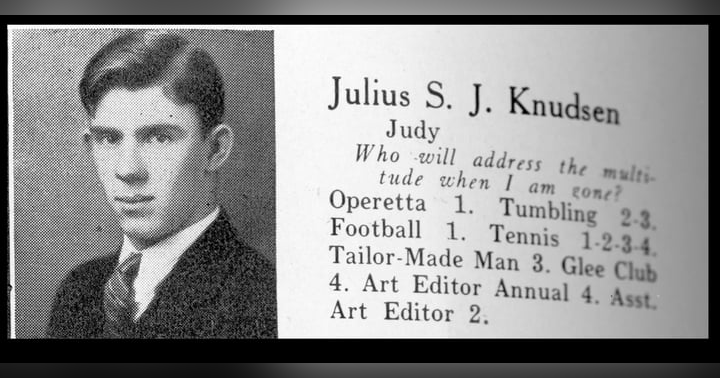
He Was a Soldier: The Hand That Wouldn’t Quit, the General Who Never Came Home, and the Search That Still Calls Us
By John Bear
Chief of Investigative Research, Asymmetric MIA Accounting Group (AMAG)
Imagine standing in a quiet Philippine Constabulary cemetery on a warm May morning in 1935. The air is thick with the scent of tropical flowers laid on simple graves. Brigadier General Guy O. Fort steps forward, his voice steady but heavy with the weight of memory. Before him are the final resting places of 76 fallen comrades—officers and enlisted men whose names he holds in a list he knows is heartbreakingly incomplete. “Some records are lost,” he tells the crowd, his eyes scanning the unmarked plots. “Their stories almost forgotten.”
In that moment, Fort didn’t just deliver a speech. He poured out his soul. What he left behind is a four-page testament of love, duty, and unbreakable brotherhood that still moves me to tears every time I read it. And at its beating heart is the story of one extraordinary Moro soldier whose courage refuses to fade—even after 118 years.
This is the story of Corporal Cumayog… and the man who honored him, only to meet a similar fate.
“The Man Who Stood on Guard”
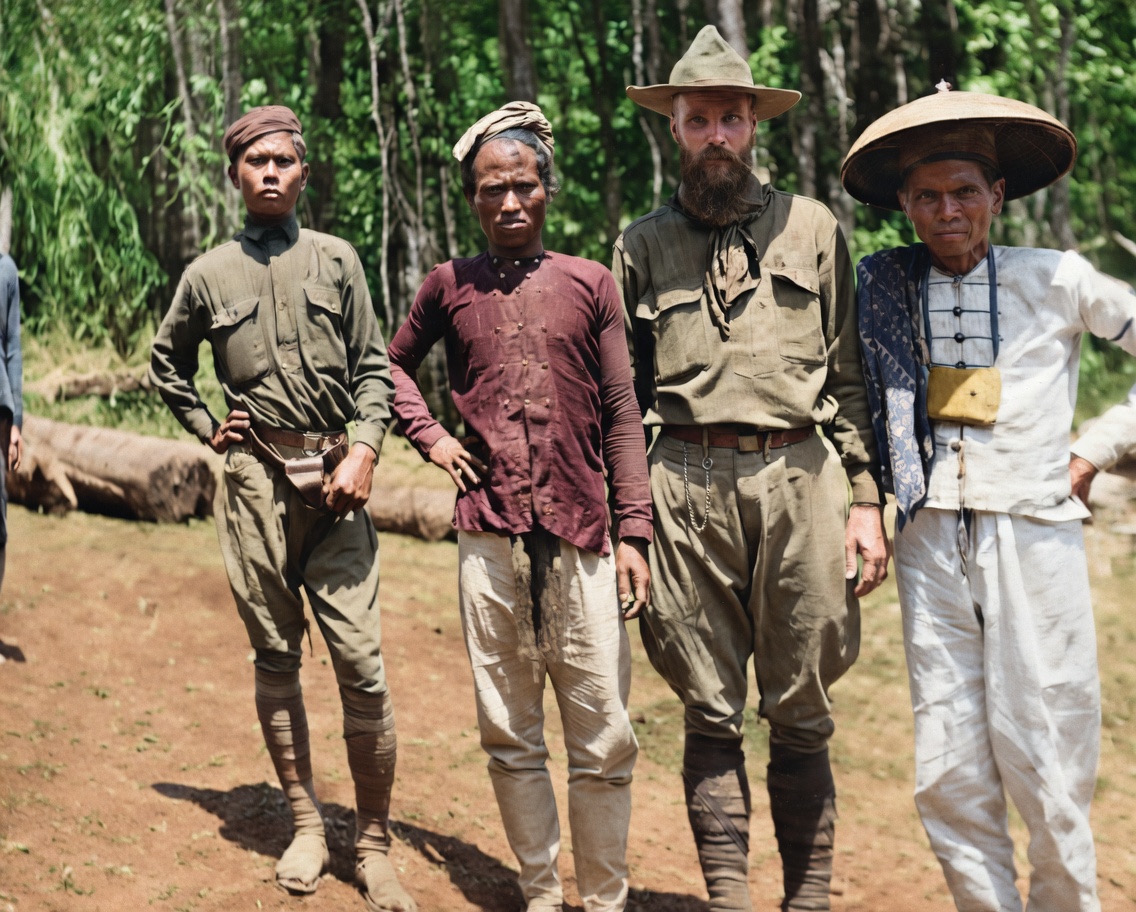
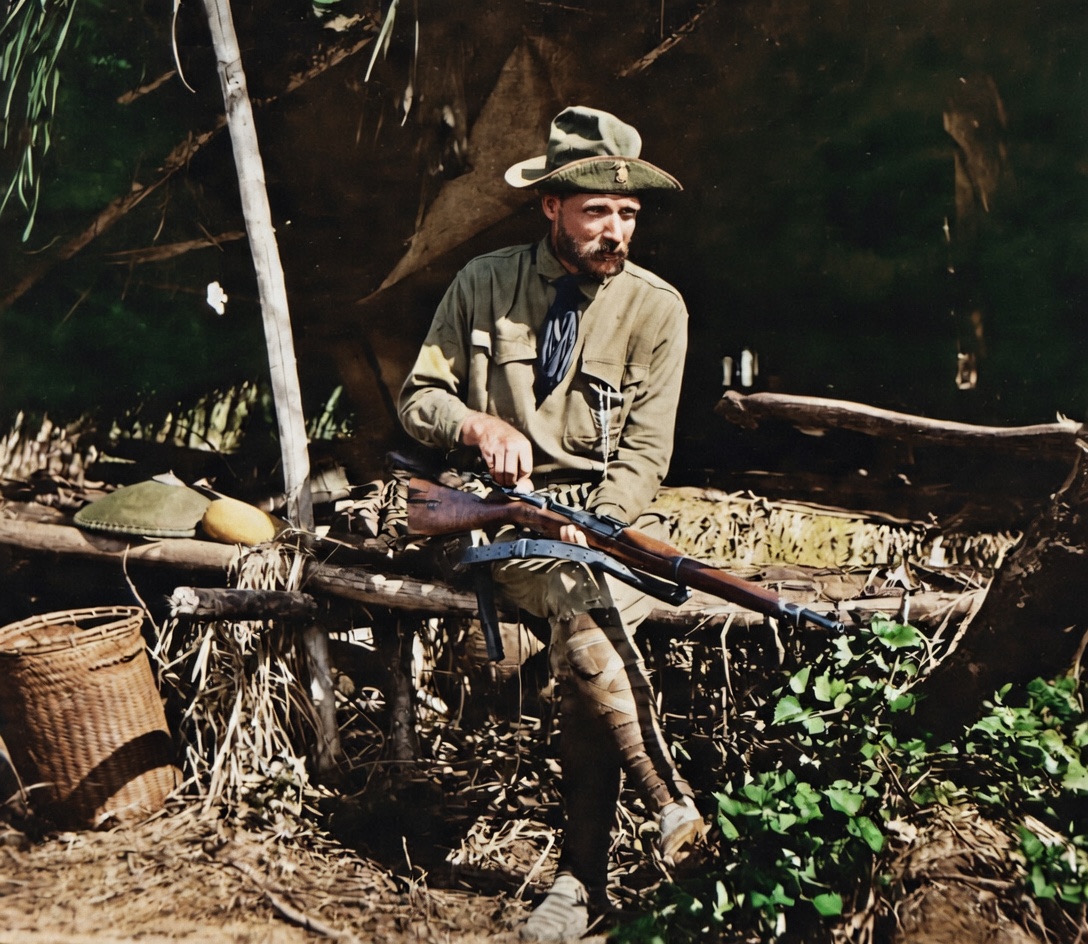 Fort spoke not as a distant commander, but as a brother-in-arms who had walked the same muddy trails and faced the same enemies. He reminded everyone that the Philippine Constabulary wasn’t just a local force—it was part of America’s own armed might, standing shoulder-to-shoulder with the National Guard in honor and sacrifice.
Then he turned to the deepest truth of Memorial Day:
“Honor is due the man who stands on guard that his neighbor may sleep in peace… Honor is due the man who offers himself in support of organized government and equal justice be meted to all.”
His words weren’t polished rhetoric. They were a father’s plea, a soldier’s prayer, for every life given so the rest of us could live free.
And then came the story that still stops my heart.
The Day a Bullet Couldn’t Stop a Soldier
It was June 19, 1907, in the rugged hills of Lanao, near Taraca. A hostile Datu had barricaded himself in a mud-walled cotta, daring anyone to come. Lt. James L. Wood led thirty Constabulary men forward under withering fire. Among them was Corporal Cumayog—a 27-year-old Moro warrior serving in the old First Lanao Company.
A rifle bullet slammed into Cumayog’s Krag carbine, shattering the bolt and mangling his right hand in a spray of blood and bone. The pain must have been blinding. Most men would have dropped back, clutching the wound, calling for help.
Not Cumayog.
He looked at his ruined rifle, set it down without a word, wrapped a handkerchief around the shattered hand, drew his kris with his left, and charged straight into the fight. Over the walls he went, fighting shoulder-to-shoulder with his brothers until the cotta fell.
Only then—after the smoke cleared—did he approach Lt. Wood, snap a crisp salute, and say with quiet dignity:
“Sir, I am not to blame. Do not be angry.”
The lieutenant, seeing him hatless, thought he was apologizing for losing his cover.
Cumayog shook his head.
“No señor. It is not my hat. It is my gun… I did not lay down. I was with the men when they went over the wall.”
Three fingers were gone forever. But his spirit? Untouched.
Fort’s voice must have cracked as he told it in 1935:
“He refused to leave his companions—he was a soldier. Such conduct inspires others to brave deeds; this is the stuff of which good soldiers are made.”
I get chills every single time.
The Records That Prove the Legend
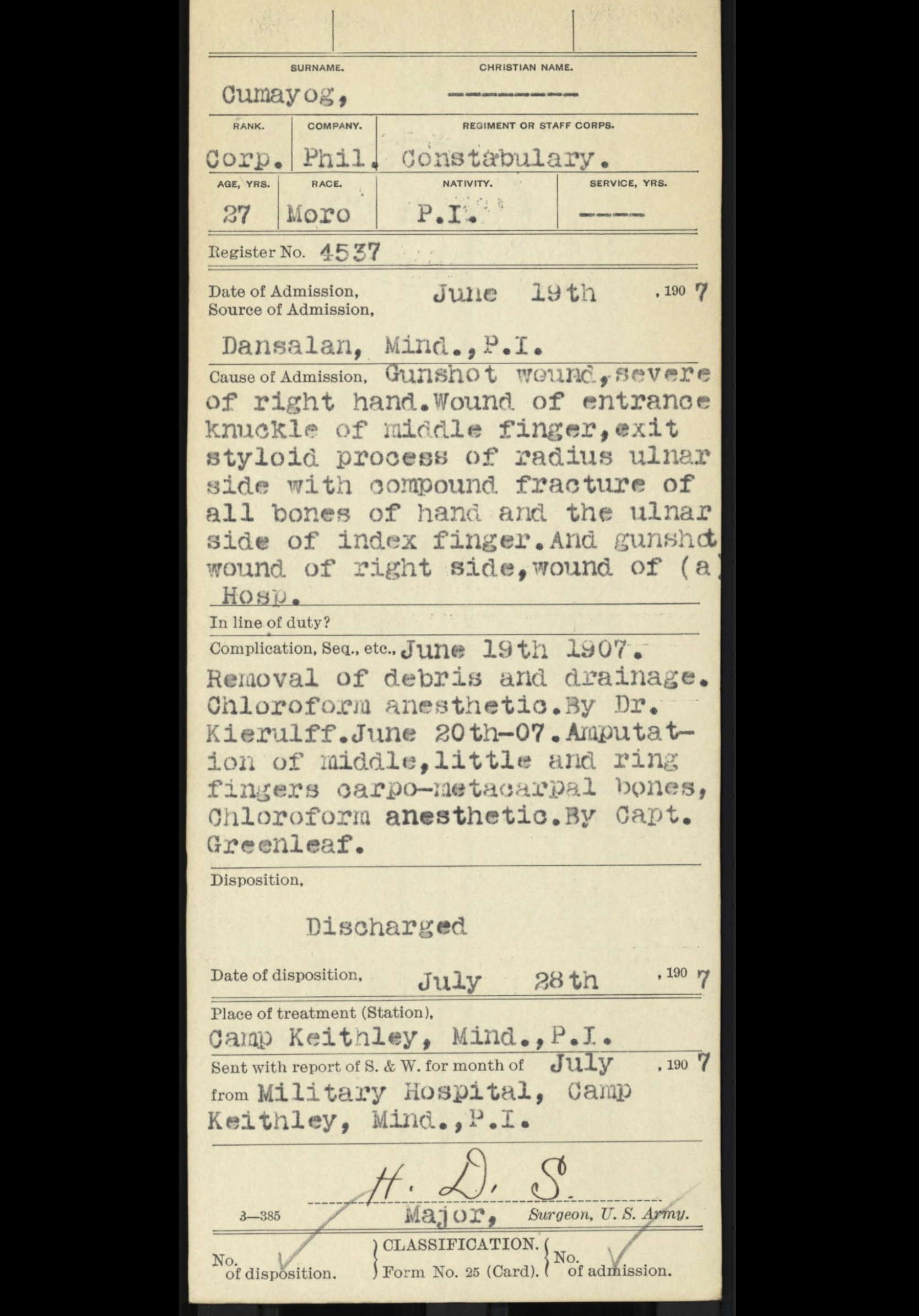 For years I wondered if the story had grown in the telling. Then I found the actual U.S. Army medical card—Form No. 25, Register No. 4537—buried in the archives.
It confirms every detail, and adds a second wound so savage Fort never even mentioned it:
- Gunshot that tore through Cumayog’s right hand, fracturing every bone.
- A lantaca blast (Moro swivel-gun packed with scrap iron) that ripped into his side, piercing his liver and diaphragm.
Surgeons worked under chloroform at Camp Keithley: debridement the same day, amputation of three fingers the next. He spent 40 grueling days there before discharge on July 28, 1907.
A 27-year-old Moro corporal, fighting for a flag not his by birth, yet giving everything for the men beside him.
That same hospital at Camp Keithley is where, 35 years later, Brig. Gen. Guy O. Fort himself would be imprisoned.
The Heartbreaking Full Circle
In one of history’s most heartbreaking ironies, the very ground where Corporal Cumayog once bled for his comrades would become the final chapter in General Guy O. Fort’s own story of unbreakable duty. After surrendering under orders on May 27, 1942, Fort was imprisoned at Camp Keithley—the exact same military post where, thirty-five years earlier, he had rushed the wounded Cumayog into surgery. The Japanese, knowing Fort’s decades-long bond with the Moro people he had trained, armed, and fought beside, made him a repeated, merciless demand: publicly order his former guerrilla fighters to lay down their weapons and submit to the occupation. They offered him his life in exchange for betrayal. Fort refused every time, standing firm on the very principles of loyalty and honor he had so passionately described in his 1935 speech.
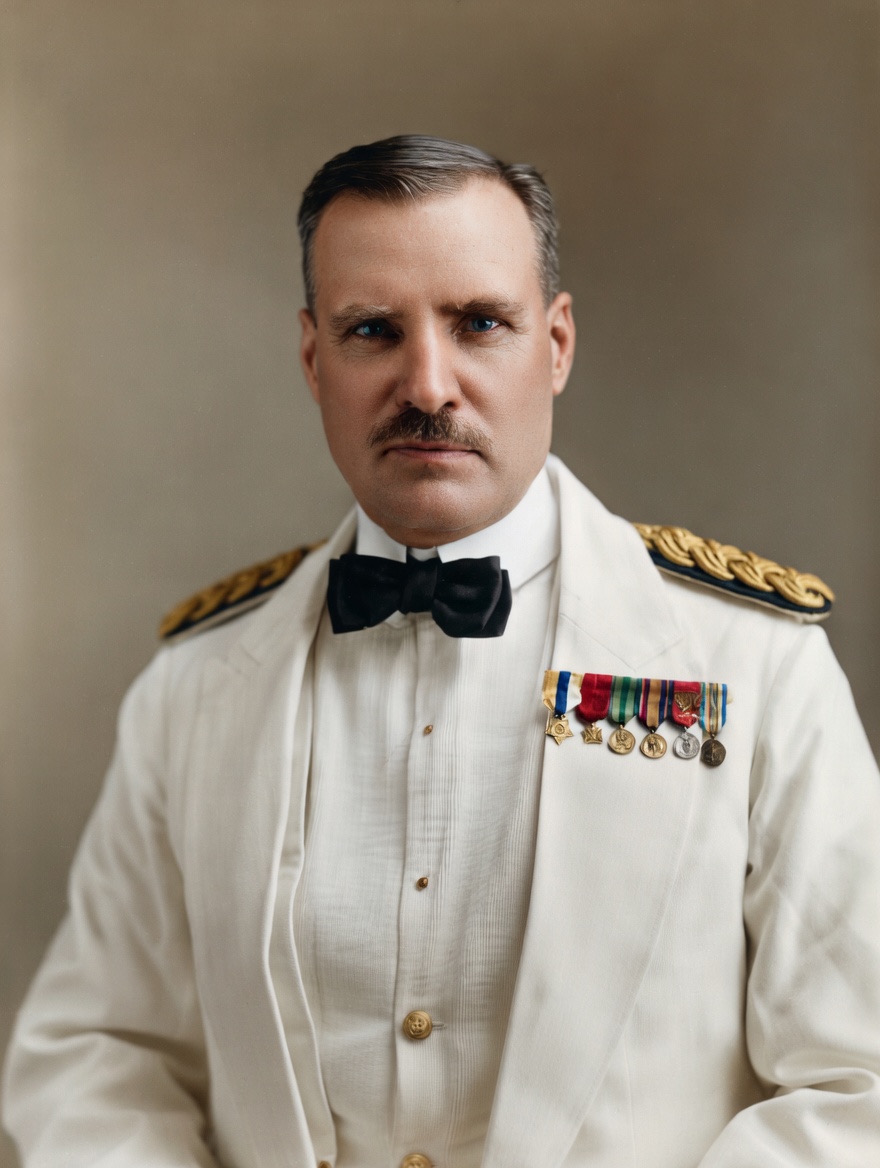 On July 3, 1942, the Japanese selected Fort for execution in brutal retaliation for the escape of several American POWs. In an act of selfless courage that still moves me to this day, Lt. Col. Robert H. Vesey stepped forward and volunteered to take the General’s place at the execution stake. Vesey, along with Capt. Albert Price and 1st Sgt. John Chandler, was bayoneted to death that afternoon while Fort was temporarily spared.
Fort’s reprieve would not last. On November 11, 1942, he was paraded through the streets of Dansalan, marched to a site near Camp Keithley, and executed by firing squad. His captors buried him in a shallow, unmarked grave nearby. Despite exhaustive postwar searches by American Graves Registration teams and later efforts by the Defense POW/MIA Accounting Agency, his remains have never been found.
The man who once spoke so movingly of “incomplete lists” and “unmarked graves” in that 1935 Memorial Day address became one of the missing himself—the only American-born general executed by enemy forces during World War II.
Why I Can’t Stop Searching
As Chief of Investigative Research for the Asymmetric MIA Accounting Group (AMAG), I support a small, all-volunteer team determined to bring General Fort home—along with Lt. Col. Robert H. Vesey, Capt. Albert Price, and 1st Sgt. John Chandler, executed beside him. We are on the ground in the Bangsamoro Autonomous Region right now, working with local leaders and partners who have opened doors that have been closed for eighty years. We have fresh eyewitness testimony, including from a 96-year-old former POW. Every shovel full of earth, every faded document, every late-night interview feels personal.
Because Fort taught us: the man who stood on guard deserves to be remembered. And the man who was left behind deserves to come home.
Corporal Cumayog’s medical file proves that courage was never a myth. General Fort’s 1935 words prove that love for the fallen never dies.
Now it’s our turn to prove that no American left on Mindanao will stay lost forever:
If the words of General Guy O. Fort’s 1935 Memorial Day speech still stir something deep inside you—the solemn call to honor “the man who stood on guard” so that others may live in peace, law, and justice—then I ask you with all my heart to stand with us today. Fort spoke of unbreakable duty and selfless courage, never imagining how fully he and his comrades would live those very words. Now, more than eighty years later, these four heroes—Brig. Gen. Guy O. Fort, Lt. Col. Robert H. Vesey, Capt. Albert Price, and 1st Sgt. John Chandler—still lie in unmarked graves near old Camp Keithley.
Asymmetric MIA Accounting Group—our small all-volunteer team led by Mike Henshaw are conducting urgent, on-the-ground missions this April and May to locate and recover their remains. These expeditions are entirely self-funded, and every dollar you give will directly support travel, local partnerships in the Bangsamoro region, equipment, and the careful fieldwork needed to finally bring them home with the honor they deserve.
If Fort’s message and these men’s sacrifices have moved you, please visit amagonline.org today and make a secure donation to fuel our April and May missions. Your generosity—large or small—will help us turn his 1935 promise into reality and ensure that no man who stood on guard is ever left behind again.
Please consider a tax deductible donation here:
Sources: Original 1935 Memorial Day Address (private collection), U.S. Army Medical Form No. 25 (Register 4537), DPAA case files, 1907 Lanao reports, and AMAG field work (2025–2026).
Share this story. Feel it in your heart. And help us bring one more hero home. 🇺🇸
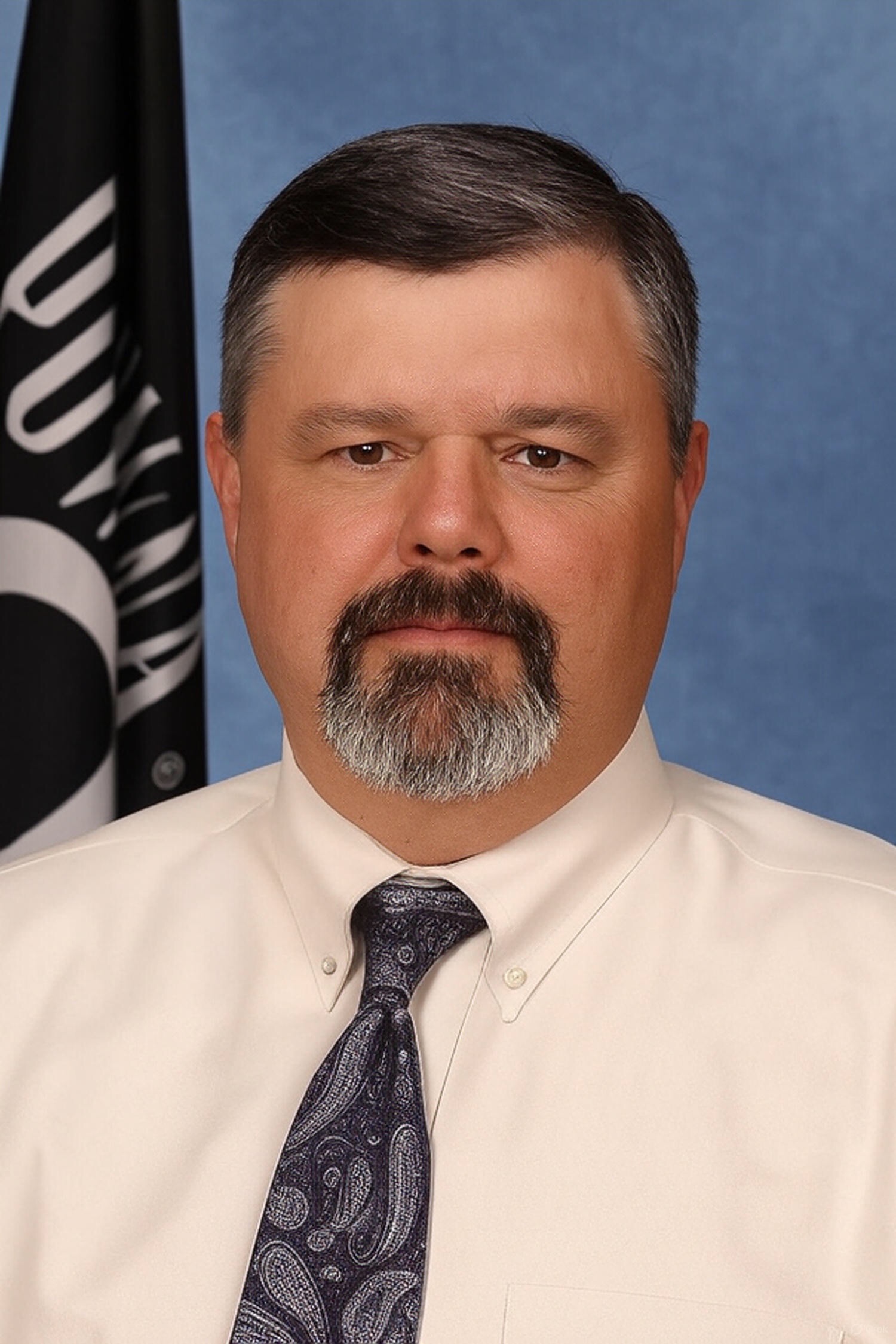
Investigative Researcher & Host of Stories of Sacrifice Podcast
John Bear is an accomplished investigator and forensic genealogist with over 20 years of experience specializing in World War II, Korea, and Vietnam War POW/MIA cases. He has honed forensic-level skills in open-source intelligence (OSINT) and archival research, bolstered by coursework in Advanced Research Methods and Databases for Historians. Inspired by the loss of his uncle, a WWII POW/MIA identified posthumously in the Philippines, John volunteers directly with families of the missing to provide answers and closure. As a key member of the Asymmetric MIA Accounting Group (AMAG), he works directly with MIA families to support projects alongside Military Service Casualty Officers, DPAA Historians, and military intelligence experts. Through his contributions to the Cabanatuan POW Camp, Philippine Hellship Project, and Bataan Death March, John’s efforts have led to over 350 potential WWII identifications through Family Reference Sample (FRS) DNA collection. His investigation into the Vietnam War’s Baron 52 incident uncovered compelling OSINT-based evidence suggesting crew survival, and his work on WWII unrecovered MIAs on Mindanao has generated critical leads. Through his podcast, Stories of Sacrifice: American POW/MIAs, John amplifies families’ stories, ensuring the legacies of the missing are honored.
Baron 52 Docu series Podcast Link: https://www.storiesofsacrifice.org/category/baron-52/
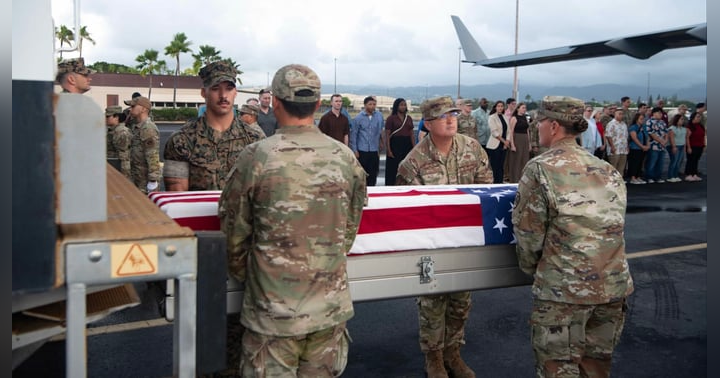
A Sacred Homecoming: Honorable Carry Ceremony Ushers in New Era of Hope for Bataan Death March Families