Bringing Home the Heroes: The Heart-Wrenching Journey to Uncover Julius St. John Knudsen and Honor the Forgotten Souls of the Bataan Death March
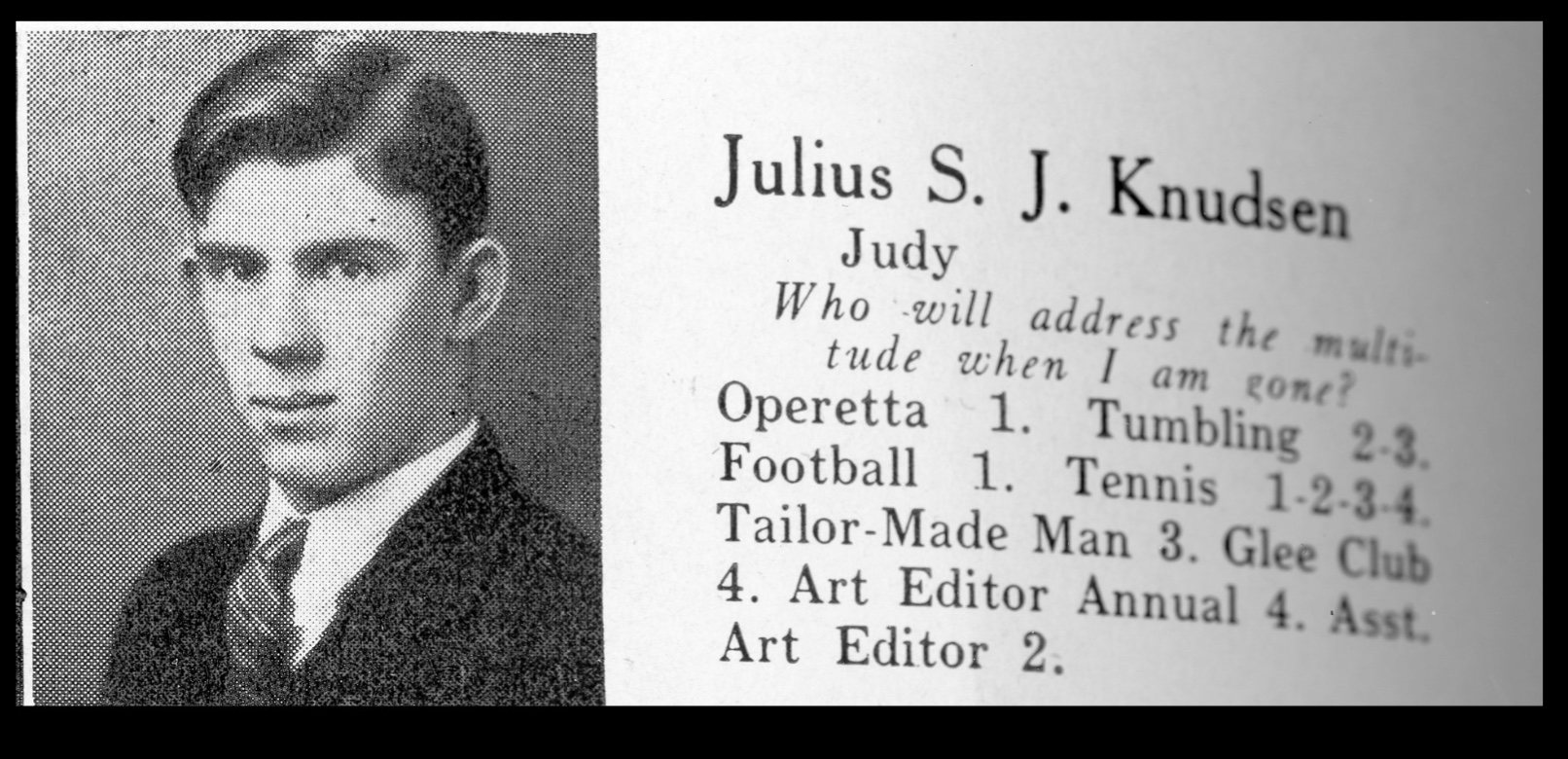
Imagine a young man, full of life and adventure, vanishing into the shadows of history—his laughter silenced, his dreams shattered amid the horrors of war. For over 80 years, Technician 5th Class Julius St. John Knudsen has been one of those lost voices, a ghost from the Bataan Death March whose fate haunted his family across generations. As the host of the Stories of Sacrifice: American POW/MIAs podcast, sharing Julius’s story in our December 3, 2019 episode with his nephew, Jim Knudsen, was one of the most poignant moments of my career. Jim’s words, raw with decades of unspoken grief, painted a picture of a family’s unyielding love and the quiet agony of not knowing. Today, on December 3, 2025, I write this with a mix of tears and triumph: thanks to Jim’s relentless heart and our shared investigative pursuit, the first disinterments of unknowns from the Bataan Death March are underway. This isn’t just about bones in the ground—it’s about restoring dignity, mending broken hearts, and ensuring no hero is forgotten.
This blog post is a tribute to Julius’s spirited life, Jim’s profound devotion, and the emotional rollercoaster of our efforts that have ignited hope for hundreds of families still waiting for closure. It’s a story that tugs at the soul, reminding us of the human cost of freedom and the power of persistence in the face of unimaginable loss.
Julius St. John Knudsen: A Vibrant Soul Stolen by War’s Cruelty
Picture a boy in the crisp Minnesota air of 1916, born on a chilly January 3rd in Brainerd—the eldest son of Lewis and Betsy St. John Knudsen. Julius grew up in a world scarred by the Great Depression, yet he embodied resilience and joy. Family tales describe him as “cantankerous” in the best way: a fun-loving daredevil who tumbled through school events, strutted on stilts in parades, and even competed in beard-growing contests that brought laughter to his tight-knit community. But beneath that playful exterior was a young man hungry for more than the limited horizons of logging camps, paper mills, and railroad yards.
In the late 1930s, with hope in his heart and adventure calling, Julius revved up his Indian motorcycle and rode west to California, chasing dreams as a truck driver under endless sunny skies. War’s shadow loomed, and on March 31, 1941, he enlisted in the California Army National Guard at Fort MacArthur, starting in Company M, 163rd Infantry, 41st Division. Fate drew him back to his roots when he transferred to Fort Lewis, Washington, reuniting with childhood friends in Company A, 194th Tank Battalion—a Minnesota National Guard unit called to federal service.
By September 1941, aboard the USS Coolidge, Julius sailed into the unknown, defending Clark Airfield in the Philippines under General Douglas MacArthur. As a Technician 5th Class, his mechanical savvy likely made him the backbone of his tank crew—repairing Stuart tanks, driving through chaos, leading with quiet strength. When Japanese bombs fell just hours after Pearl Harbor on December 8, 1941, Julius and his battalion became the first U.S. mechanized force in WWII combat, fighting with everything they had.
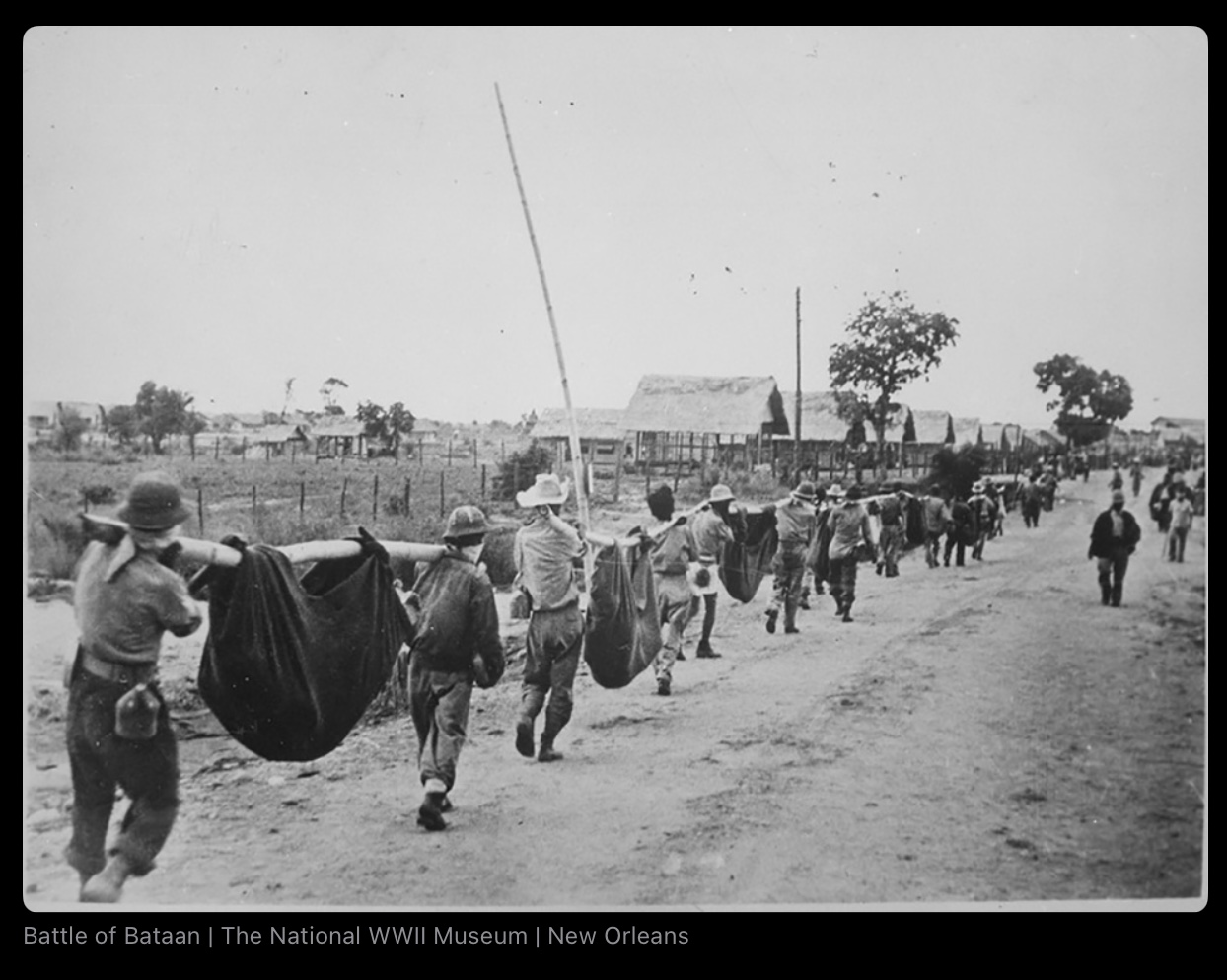
But the real nightmare began on April 9, 1942, with the surrender on Bataan. The Death March—a 65-mile trek of unimaginable suffering—saw soldiers like Julius endure starvation, brutal beatings, and random executions. Witnesses recall him near Lubao, desperately breaking for the jungle amid gunfire. Then… silence. Conflicting reports whisper of a June 30, 1942 death from dysentery at Camp Cabanatuan, but no records, no grave—only the void of Missing in Action. Julius’s story isn’t just history; it’s a family’s open wound, a reminder of the thousands who vanished, their sacrifices echoing in the hearts of those left behind.
Jim Knudsen: A Nephew’s Love That Defied Time and Despair
Jim Knudsen never heard his uncle’s voice or felt his embrace—he was born after Julius disappeared. Yet, through faded photos and his father’s hushed stories, Julius became a living presence, a symbol of unresolved grief. Jim’s dad, Julius’s brother, carried the burden silently, writing letters in the 1980s to pierce the veil of lost records from the 1973 St. Louis fire. “My dad held it all in,” Jim shared on the podcast, his voice cracking with the weight of inherited pain, “and would love to know what happened.”
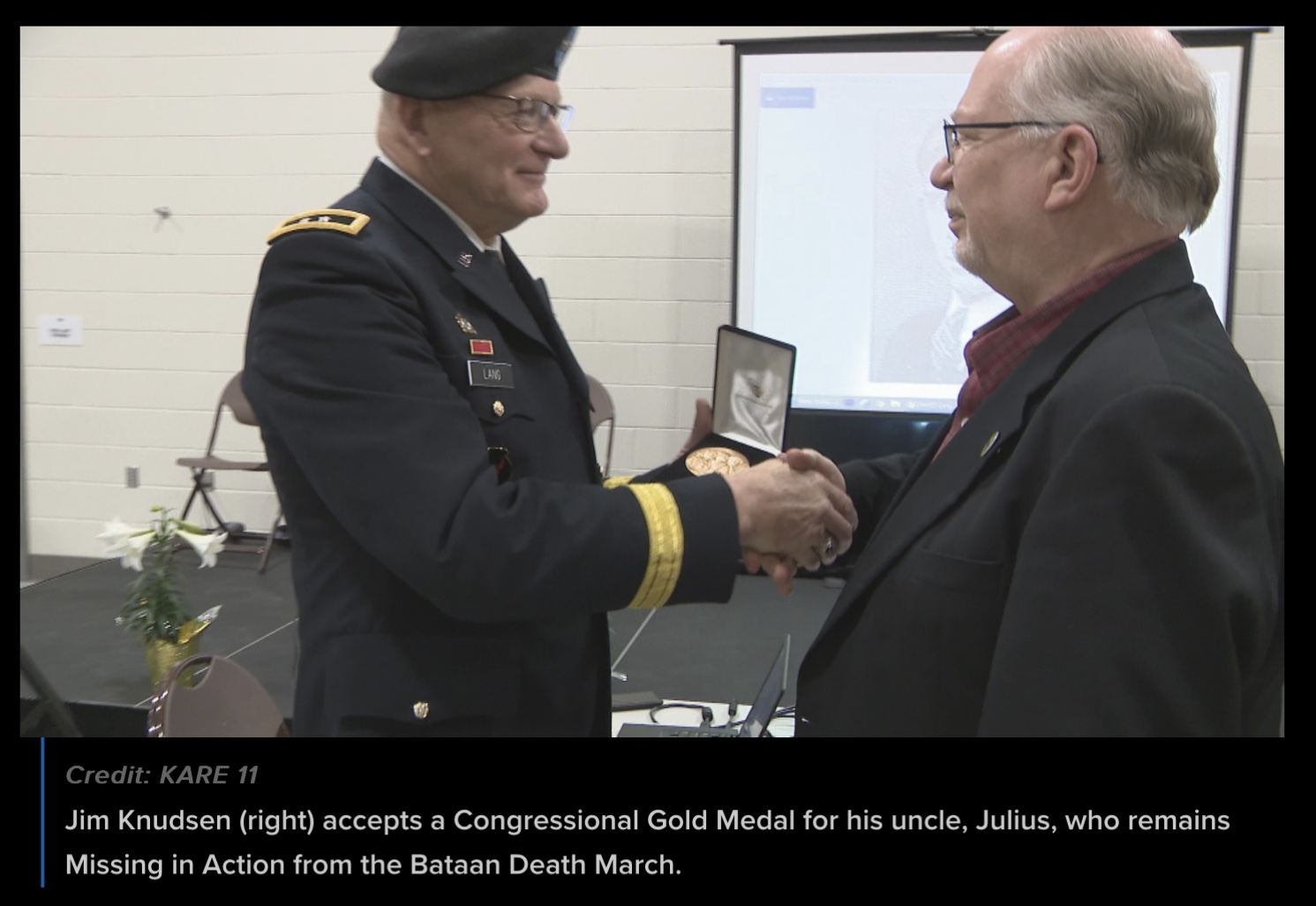
When Jim inherited the quest in the 1990s, it became his life’s mission—a heartfelt vow to honor a man he never met but loved fiercely. Filing Freedom of Information Act requests, hounding the Defense POW/MIA Accounting Agency (DPAA), attending emotional family meetings—Jim unearthed Julius’s long-overdue medals: the Bronze Star, Purple Heart, POW Medal, and more. He digitized precious pre-war holiday recordings from the Brainerd Armory, where Julius’s family poured out Merry Christmas wishes, their voices trembling with love across the ocean. Hearing his grandmother call Julius “Judy,” or his grandfather’s hopeful words, brought tears and resolve: “It was like they were in the room with us,” Jim recalled.
Jim secured a gravesite at Camp Ripley Cemetery, submitted DNA samples, and refused to let bureaucracy dim his hope. His podcast appearance wasn’t just an interview—it was a cry from the soul, amplifying the anguish of countless families. Jim’s dedication turned personal loss into a beacon, proving that love can move mountains, even against the cold machinery of time.
Our Shared Battle: Tears, Tenacity, and a Path to Healing
The podcast episode opened my eyes—and heart—to Julius’s plight, pulling me deeper into the investigation. With over 25 years in forensic genealogy and archival research, I couldn’t stand by. Digging through survivor testimonies and dusty records, I uncovered a gut-wrenching link: Julius’s friend Robert, Killed in Action near Lubao—the very spot of Julius’s last sighting. It felt like a whisper from the past, urging us on.
Post-war exhumations had recovered nine unidentified burials from that area, now resting as unknowns in Manila American Cemetery. Collaborating with DPAA historians and Jim, we secured a list of 150 potential American MIAs tied to the region. The challenge? Gather 60% Family Reference Sample (FRS) DNA to greenlight disinterment. For a year, I poured my soul into it—using open-source tools, networking with Military Service Casualty Officers, tracking down descendants. Each call was a bridge to shared sorrow: explaining the science, evoking memories, collecting cheek swabs that carried fragments of lost loved ones.
We surpassed the threshold, not with cold efficiency, but with empathy—honoring every family’s ache. This breakthrough wasn’t data; it was redemption, a collective exhale after decades of holding breath.
A Moment of Profound Hope: The Disinterments Begin
The email arrived like a long-awaited dawn, piercing the fog of uncertainty that had shrouded Jim’s life for so long. DPAA had authorized the disinterments in early 2024, with an initial target of December 2024 to begin the sacred work. But the weight of history—backlogs from other recoveries, the meticulous demands of forensic labs, and the sheer volume of unresolved cases—delayed the process. Now, in December 2025, as the world turns toward holidays filled with family and remembrance, the nine disinterments are finally underway at the Manila American Cemetery. These aren’t mere excavations; they are acts of reverence, gently lifting remains that have slumbered in anonymity for over eight decades, carrying with them the whispers of untold stories and unhealed wounds.
By mid-December 2025, these precious osseous materials will arrive at DPAA’s state-of-the-art laboratories in Hawaii, where teams of anthropologists, DNA experts, and historians will begin the delicate dance of analysis. DNA extraction will seek matches against the FRS database we’ve helped build, anthropological examinations will piece together clues from bones that bear silent witness to suffering, and perhaps—finally—names will emerge from the shadows. For Jim, this moment brought “floods of emotion,” a surge of tears mingling joy and sorrow, as the possibility of closure for Julius edges closer.
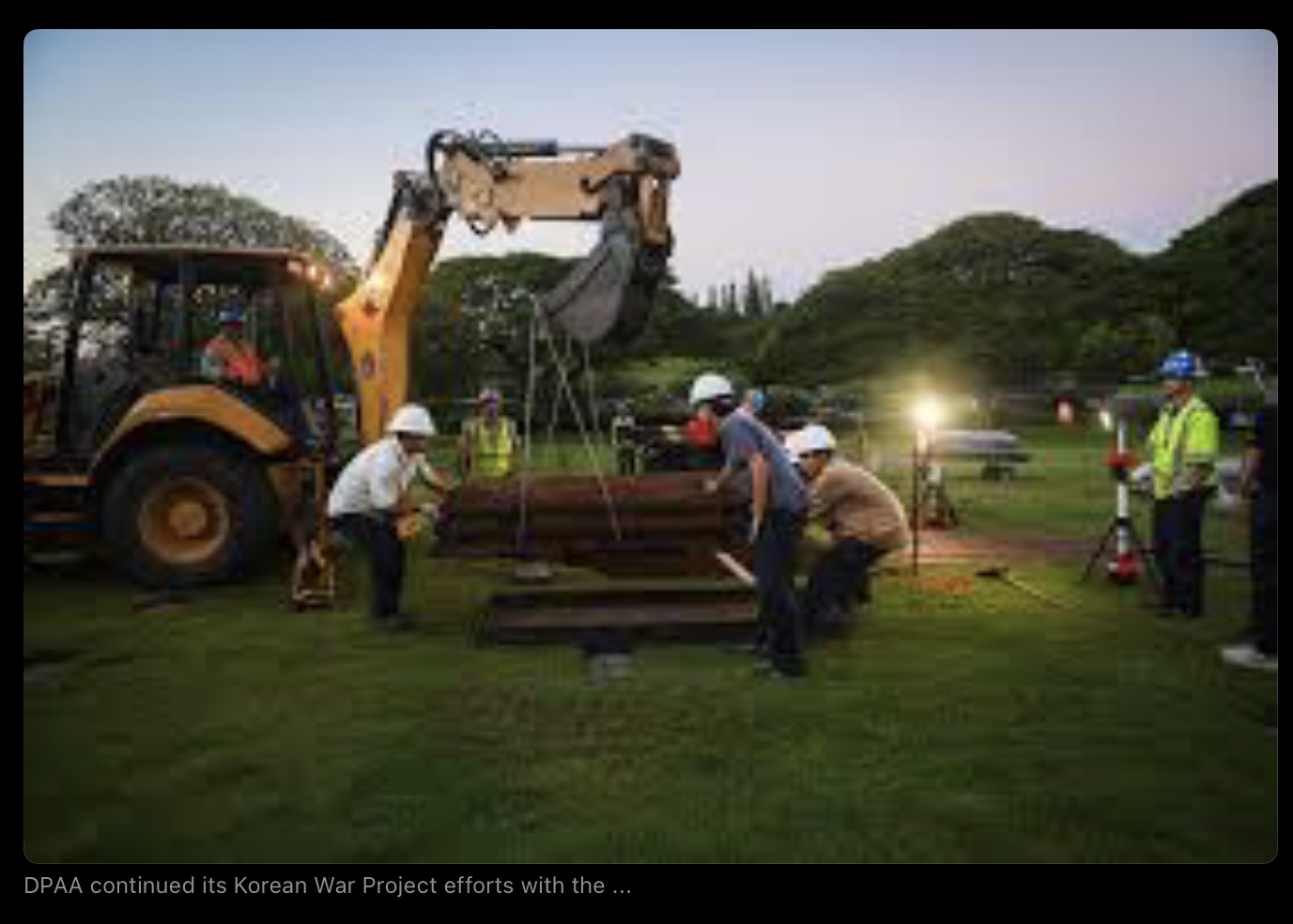
This milestone is nothing short of historic: these nine are the vanguard, the first of over 500 unknowns directly linked to the Bataan Death March poised for potential identification. Jim’s unshakeable love has ignited this flame. “It’s about ensuring no hero is left behind,” he says, his words a soothing balm for souls weary from waiting, a promise that the echoes of sacrifice will not fade into silence.
Echoes of Sacrifice: A Call to Our Shared Humanity
The Bataan Death March wasn’t just a historical footnote—it was a crucible of human suffering that stole lives, shattered dreams, and left an indelible scar on the collective soul of nations. Up to 10,000 American and Filipino soldiers perished in agony, their bodies ravaged by dehydration, disease, and unimaginable cruelty, their remains often hastily buried in co-mingled graves that blurred identities and prolonged families’ torment. Initiatives like the Cabanatuan Project, which exhumes and identifies POWs from notorious camps, and the Philippine Hellship efforts, uncovering the fates of those lost on deadly transport ships, lay bare the vast, lingering heartbreak: thousands of MIAs still cry out for recognition, their stories suspended in time, waiting for someone to listen.
Yet, in the midst of this profound sorrow, Jim Knudsen’s journey offers a radiant thread of hope—a testament to how one family’s enduring love can ripple outward, touching and healing multitudes. It’s a reminder that behind every statistic is a Julius: a son who brought joy to his parents, a brother whose absence left a void, a hero whose sacrifice underpinned the freedoms we cherish today. Jim’s persistence didn’t just advance his uncle’s case; it catalyzed a movement, proving that advocacy fueled by heart can challenge systems, unlock doors, and restore what was lost.
If this story tugs at your heartstrings, stirring a deep empathy for the forgotten, let it move you to action. Descendants of WWII MIA service members, consider submitting your Family Reference Sample—it’s a simple cheek swab, yet a profound gift that could unlock identities and bring peace to waiting souls. Reach out to DPAA through their website or family outreach programs; share your story, provide your DNA, and join the chorus demanding answers. Lobby your congressional representatives—write letters, make calls, attend hearings—for increased funding, expanded partnerships with private labs and researchers, and a bold shift to a DNA-led process that prioritizes exhumations before environmental degradation erases vital evidence forever. Time is the enemy here; every day lost is a day further from closure.
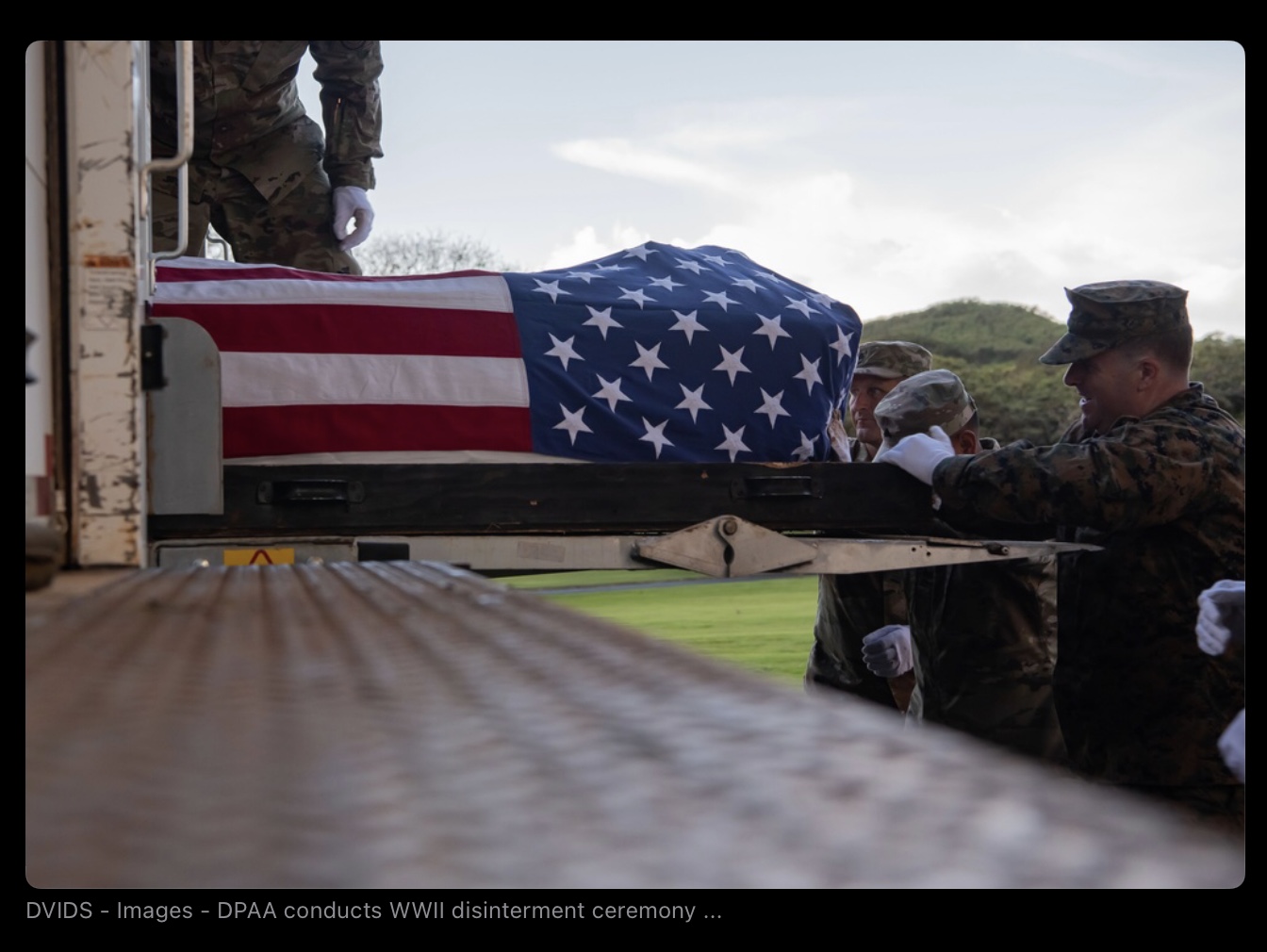
Julius Knudsen’s story isn’t over—it’s an enduring rallying cry for empathy, relentless action, and the unbreakable bonds of family and nation that defy even death. As we wait, hearts pounding with anticipation, for the labs to whisper secrets of identity, remember this: in every unknown grave lies a Julius—a vibrant soul deserving of honor, a name etched in marble, and a final, dignified rest. Jim, your uncle would beam with pride at the legacy you’ve forged. And to all families still in the shadows of uncertainty: hold on tightly. Hope is not just rising—it’s breaking through, one disinterment at a time.
Listen to the episode that started it all: https://www.storiesofsacrifice.org/stories-of-sacrifice-powmias-tec-5-julius-st-john-knudsen-ep02/.
John Bear
Chief Investigative Researcher
Asymmetric MIA Accounting Group (AMAG) Inc.
As an investigative researcher for Asymmetric MIA Accounting Group (AMAG) Inc., a 501c3 nonprofit, I’m committed to our critical mission of recovering and honoring our POW/MIAs. We urgently need your monetary support to fund these recovery missions and bring closure to families. We’re also recruiting Veterans to join our efforts. Please visit https://amagonline.org to donate, learn more, or get involved. Your generosity ensures no hero is forgotten—it’s about time ⌛️
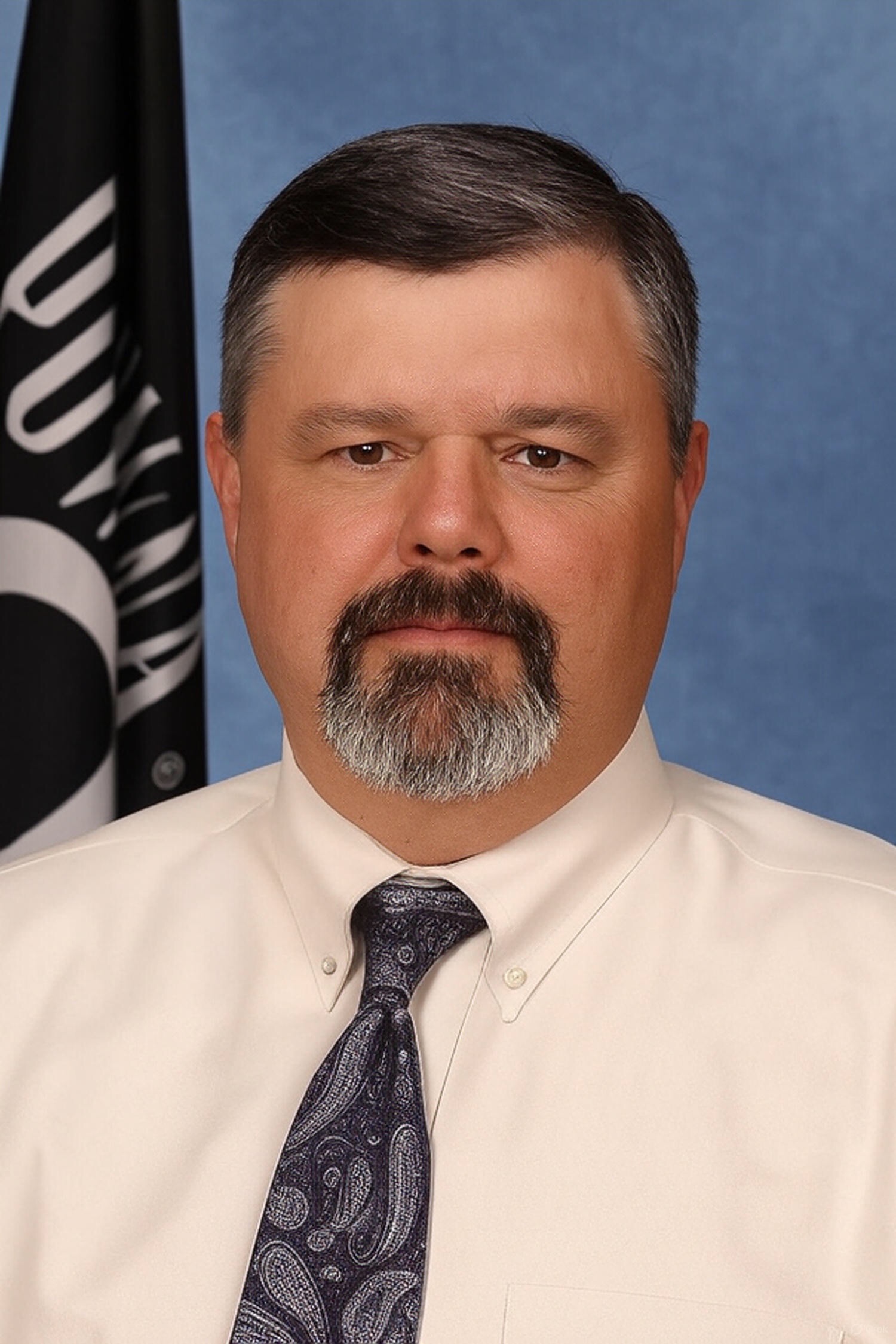
Investigative Researcher & Host of Stories of Sacrifice Podcast
John Bear is an accomplished investigator and forensic genealogist with over 20 years of experience specializing in World War II, Korea, and Vietnam War POW/MIA cases. He has honed forensic-level skills in open-source intelligence (OSINT) and archival research, bolstered by coursework in Advanced Research Methods and Databases for Historians. Inspired by the loss of his uncle, a WWII POW/MIA identified posthumously in the Philippines, John volunteers directly with families of the missing to provide answers and closure. As a key member of the Asymmetric MIA Accounting Group (AMAG), he works directly with MIA families to support projects alongside Military Service Casualty Officers, DPAA Historians, and military intelligence experts. Through his contributions to the Cabanatuan POW Camp, Philippine Hellship Project, and Bataan Death March, John’s efforts have led to over 350 potential WWII identifications through Family Reference Sample (FRS) DNA collection. His investigation into the Vietnam War’s Baron 52 incident uncovered compelling OSINT-based evidence suggesting crew survival, and his work on WWII unrecovered MIAs on Mindanao has generated critical leads. Through his podcast, Stories of Sacrifice: American POW/MIAs, John amplifies families’ stories, ensuring the legacies of the missing are honored.
Baron 52 Docu series Podcast Link: https://www.storiesofsacrifice.org/category/baron-52/
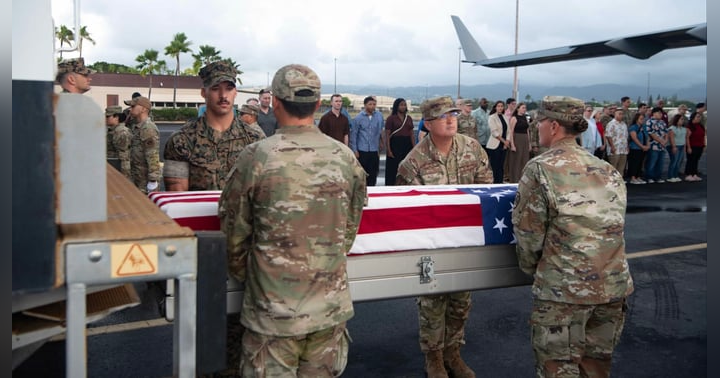
A Sacred Homecoming: Honorable Carry Ceremony Ushers in New Era of Hope for Bataan Death March Families